Massachusetts experiences warm weather, allowing you to enjoy gardens, patios, and decks. However, this weather condition also increases the population of stinging insects, such as wasps and hornets. They may turn a pleasant afternoon into a stressful experience. The presence of occasional wasps and bees is not a sign of infestation. Their frequent activities around your home must not be ignored. So, you must take the right measures for stinging insect control Massachusetts.
Why do stinging bugs cause issues in Massachusetts?
Stinging insects are highly active during the summer season. With the rise in temperature, their colonies become more active. Queens expand their nests, while workers look for food.
Your home provides a favorable environment for these bugs. For instance, garbage and sugary drinks are the main sources of food. The insects choose sheltered spaces to construct their nests. Besides, small openings around your walls and roofs allow them to enter your home. If your gardens have flowering plants, they attract bees and pollinators.
How to deal with stinging insects around your house?
You can now check for a few strategies for controlling the harmful stinging bugs in Massachusetts.
Identify the type of insect before taking a step-
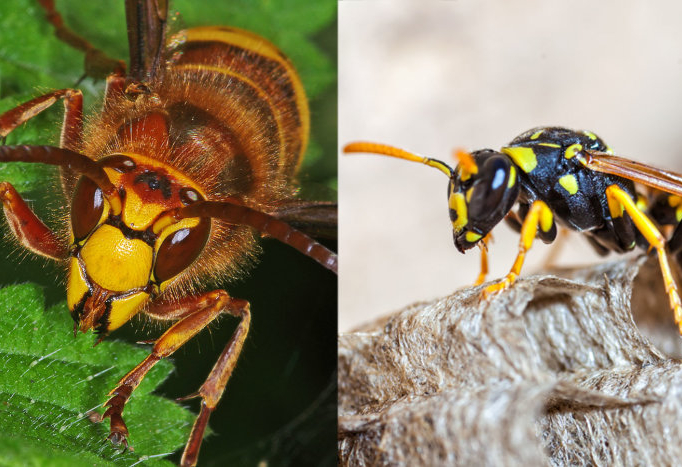
Not every stinging bug should be managed in the same way. Wasps, bees, and yellow jackets have different nesting habits and behaviors.
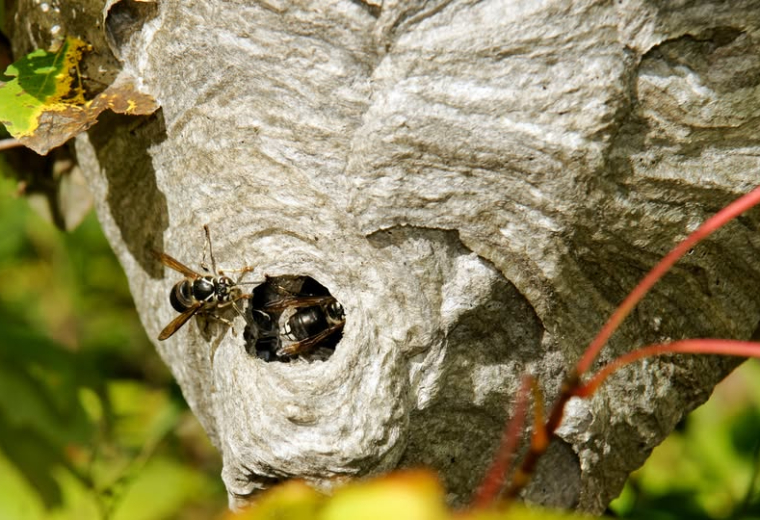
Honey bees act as pollinators that need relocation. But, yellow jackets are troublesome around garbage and food. Some hornets and wasps build nests around trees and buildings.
So, proper identification is essential to determine the best control strategy.
Seal your food and garbage holders-
Food odors attract stinging bugs, such as yellow jackets. If you have arranged an outdoor event, sugary food and beverages are left outside. To reduce this issue, keep your garbage containers properly covered. Furthermore, fallen fruits from lawns and trees should be removed. These few approaches will prevent foraging insects from accessing your property.
Inspect your house for nesting sites-
Stinging bugs search for protected spaces around your home. You may hire professionals for regular inspections and find the nesting locations. The experts will focus on places, such as attics, tree branches, garages, and fences. They will recommend sealing openings and cracks to prevent the bug infestation.
Maintain your backyard
A well-maintained yard prevents the creation of a favorable environment, which encourages insect activity. Trim plants and remove debris where bugs could create nests. Pay attention to dead tree branches, overgrown shrubs, and standing water.
But, remember that flowering plants attract beneficial pollinators, such as bees. The main goal is to remove pests from the yard. You have to manage potential conflicts between bugs and frequently used areas in your property.
Create a preventive maintenance plan during the peak season-
Most people take their stinging insect control steps after seeing the nest. Seasonal property inspections are essential to detect conditions that promote nesting. Before the summer months, you have to check the outdoor areas, maintain windows, and repair damaged screens. Early detection will make it easy to deal with the insect problems.
Never overlook outdoor living areas-
Most homeowners in Massachusetts want to enjoy the exterior areas in summer. Patios, pools, and porches are high-priority areas for stinging bug prevention. Inspect these sites and pay attention to the insect activity. This strategy will help you control stinging bugs in and around your property.
Call experts to control annoying insects-
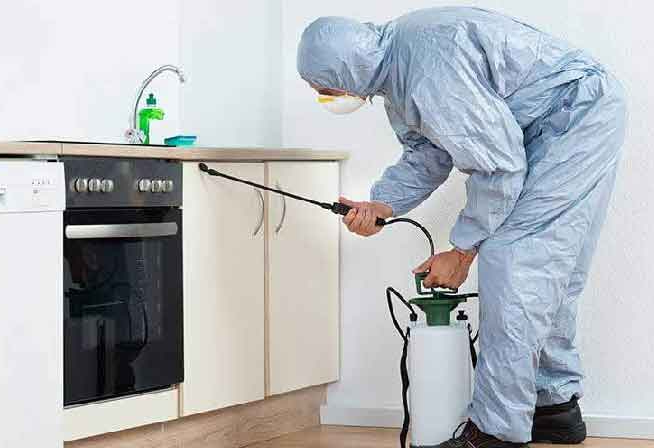
Atlantic Exterminating is a reputable pest control company with a team of well-trained experts. Contact the team to get rid of stinging insects on your property. Call (413) 747-7828 to communicate with professionals.







.png)

.png)